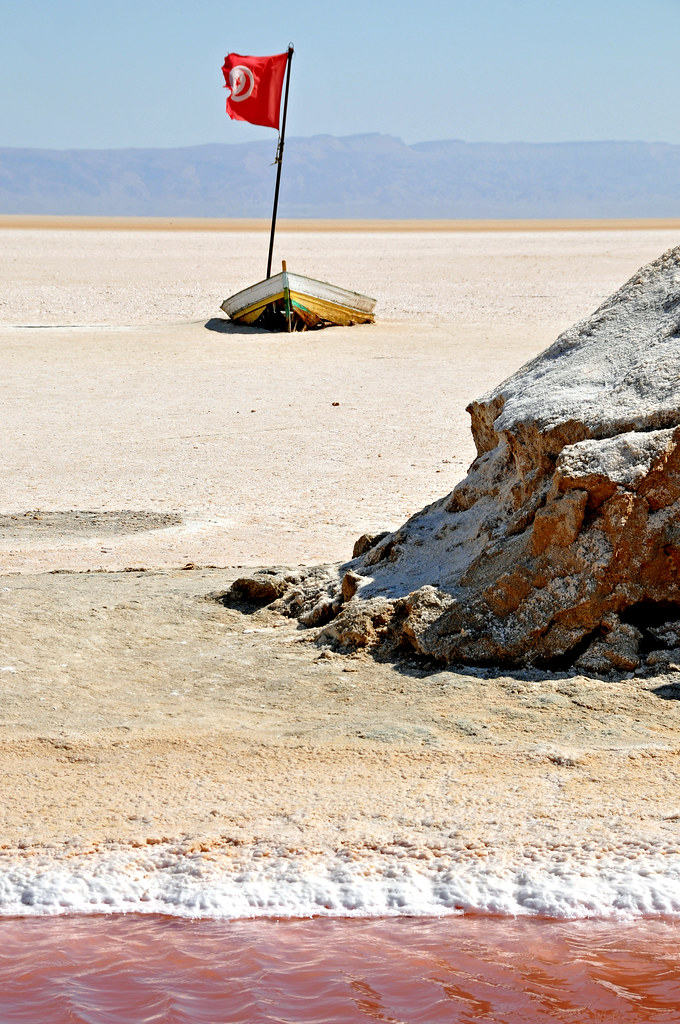
The pink rock Sahara Desert discovery has captivated scientists and researchers alike. Found in 2022, this 800-gram specimen has now been confirmed by NASA-funded researchers, shedding light on its origins and significance.
What is the pink rock found in the Sahara Desert?
The pink rock discovered in the Sahara Desert has captivated scientists and enthusiasts alike. In 2022, an 800-gram sample was unearthed, sparking interest due to its unusual color and composition. Researchers, funded by NASA, have since confirmed its significance, indicating that this pink rock could provide insights into the geological history of the region.
Examining its unique features, scientists have noted several key characteristics:
- Color: The striking pink hue is attributed to mineral content, particularly the presence of specific oxides.
- Composition: The rock’s structure suggests it may have formed under unique environmental conditions.
- Significance: Its discovery could lead to further explorations in the Sahara Desert and beyond.
As studies continue, the pink rock from the Sahara Desert is expected to unveil more secrets, potentially reshaping our understanding of desert geology.
How was the pink rock discovered?
The discovery of the pink rock in the Sahara Desert has generated significant interest among scientists and the public alike. The journey began in 2022 when a local guide stumbled upon an unusual rock while exploring the vast landscape. Intrigued by its vibrant hue, the guide brought the find to the attention of a team of researchers funded by NASA.
Upon examination, experts realized that this pink rock was unlike any other found in the region. Preliminary tests indicated that it contained unique mineralogical features. To confirm its origins and composition, the researchers conducted a series of analyses, utilizing advanced techniques to unlock the rock’s secrets.
The excitement surrounding the pink rock Sahara Desert discovery has sparked further interest in the geological history of the area. Scientists believe that such finds could provide valuable insights into the environmental changes that have occurred over millennia.
NASA’s role in confirming the pink rock
NASA’s involvement in confirming the pink rock Sahara Desert discovery has been pivotal in understanding its significance. In a collaborative effort, NASA-funded researchers conducted extensive analyses to determine the rock’s origin and composition. Their findings have shed light on the geological processes that shaped this remarkable formation.
Utilizing advanced imaging techniques and chemical analyses, scientists were able to identify the mineral composition of the pink rock. This research not only validates the initial discovery but also highlights the importance of space agency support in earth-based geological studies.
Furthermore, the confirmation of the pink rock has excited both the scientific community and the public. The implications of such a discovery extend beyond the Sahara Desert, potentially offering insights into similar geological formations around the world. As researchers continue to investigate, the pink rock remains a symbol of collaboration between NASA and earth scientists in uncovering the mysteries of our planet.
Significance of the pink rock to science
The discovery of the pink rock Sahara Desert has generated considerable excitement within the scientific community. This finding holds significant implications for our understanding of planetary geology and the processes that shape celestial bodies.
Researchers believe that the pink rock may provide clues about the geological history of Mars, with its composition suggesting that similar materials could exist on the Red Planet. By studying this unique rock formation, scientists aim to unravel the mysteries of extraterrestrial geology, offering insights into the conditions that allow for the formation of such materials.
Moreover, the pink rock’s distinctive hue has prompted discussions about the potential for other undiscovered geological phenomena in the Sahara Desert and beyond. The excitement surrounding this discovery encourages further exploration and research, fostering a deeper understanding of not only Earth’s geology but also the solar system as a whole.
- Potential links to Martian geology
- Encouragement of further exploration
- Insights into planetary formation
Geological insights from the Sahara Desert
The recent discovery of the pink rock in the Sahara Desert has garnered significant attention from the scientific community. Researchers have begun to explore the geological implications of this unique find, which may offer insights into the region’s ancient history.
Geologists are particularly interested in the composition of the pink rock, which appears to be rich in minerals that are not commonly found in the surrounding area. Preliminary analyses suggest that the rock could provide clues about the environmental conditions that existed millions of years ago.
Some of the key geological insights being pursued include:
- Mineral Composition: Understanding the specific minerals present in the pink rock and their formation processes.
- Structural Formation: Investigating how the rock was formed and what it reveals about geological activity in the Sahara Desert.
- Historical Climate Data: Analyzing how this discovery can inform scientists about past climatic conditions.
As research continues, the pink rock in the Sahara Desert promises to unlock further secrets of our planet’s geological past.
Comparative analysis with other meteorites
The pink rock from the Sahara Desert has drawn comparisons with several notable meteorites, highlighting its unique characteristics. Researchers have pointed out that this pink rock shares similarities with the famed Allende meteorite, which is known for its rich carbonaceous content and formation history.
Another comparison is made with the Murchison meteorite, which provided groundbreaking insights into the origins of organic compounds in space. Both meteorites, like the pink rock, offer clues about early solar system conditions. However, the color and composition of the pink rock set it apart from these well-studied specimens.
Furthermore, the pink rock’s elemental makeup suggests potential ties to asteroids, making it a valuable addition to the scientific community’s understanding of planetary formation. As more analyses are conducted, this pink rock from the Sahara Desert could redefine aspects of meteorite classification and deepen our knowledge of extraterrestrial materials.
Future research on the pink rock
Future research on the pink rock found in the Sahara Desert is set to enhance our understanding of both extraterrestrial materials and planetary formation. Scientists are particularly interested in investigating the rock’s composition and origins.
The following areas of study are anticipated:
- Isotopic Analysis: Researchers will conduct isotopic tests to determine the rock’s age and the conditions under which it formed.
- Mineral Composition: A detailed examination will help identify unique minerals that may provide insights into the rock’s history.
- Comparative Studies: Scientists plan to compare the pink rock with other known meteorites to identify similarities and differences.
- Public Engagement: As excitement grows, educational initiatives will aim to inform the public about the significance of the pink rock Sahara Desert discovery.
This continued research promises to unlock new secrets about our solar system and may even contribute to future space exploration missions.
Public interest in space discoveries
The recent discovery of the pink rock in the Sahara Desert has captured the imagination of both scientists and the general public. As more details emerge about its origins and significance, interest in space discoveries continues to grow. This pink rock, believed to be a meteorite, has not only provided insights into the cosmos but has also sparked discussions about the potential for future findings in our solar system.
Many enthusiasts have taken to social media to share their excitement, showcasing how the pink rock Sahara Desert has become a topic of fascination. The scientific community is eagerly anticipating further research, which could unveil more about the processes that shape our universe.
- Public lectures and seminars on the subject are being organized.
- Online forums and communities are discussing its implications for planetary science.
- Schools are incorporating space-themed projects inspired by the discovery.
As awareness increases, the impact of this discovery may extend far beyond geology, influencing public interest in space exploration.
The recent discovery of the pink rock Sahara Desert has captivated scientists and adventurers alike. As researchers delve deeper into the unique properties of the pink rock Sahara Desert, many are eager to uncover its secrets.
By archer10 (Dennis) via Openverse
Read the original
Related reading
Ahsoka Season 2 hints: The Best Teasers Revealed · Autonomous factory assembly: Best proven methods for success · XREAL AURA Launch: The Best Smart Glasses You Need Now